
Why Betting Has Become Part of Modern Leisure
 Gambling has changed dramatically over the years. What was once seen mainly as a high-stakes activity in casinos or racetracks has now become a mainstream form of entertainment. Today, betting is deeply connected to sports, digital platforms, tourism, pop culture, and social experiences. From mobile sports betting apps to luxury casino resorts and televised poker tournaments, gambling has evolved into a major part of modern leisure, learn more here.
For many people, gambling is no longer just about winning money. It is about excitement, engagement, and participation. Placing a wager can make a sports game more thrilling, a horse race more personal, or a night out more interactive. As technology and accessibility continue to grow, gambling has become integrated into how many adults choose to spend their free time.
This shift has created both opportunities and challenges. On one hand, gambling can be a fun and social activity when approached responsibly. On the other hand, its growing presence in entertainment raises important questions about consumer protection, responsible behavior, and long-term impact. Understanding why gambling has become part of modern leisure can help people enjoy it more thoughtfully.
The Evolution of Gambling as Entertainment
Historically, gambling was often tied to specific venues like casinos, racetracks, or private betting establishments. While these spaces still exist, the rise of online platforms has transformed gambling into an everyday entertainment option.
Sports betting is one of the clearest examples. Major sporting events are now heavily connected to betting culture. Football games, boxing matches, basketball playoffs, and even esports tournaments often feature betting discussions, odds displays, and sponsorships. For many fans, betting enhances the emotional investment in games.
Casino entertainment has also expanded beyond gambling itself. Modern casino resorts now combine gaming with luxury hotels, concerts, restaurants, shopping, and nightlife. Destinations like Las Vegas, Macau, and integrated resort developments worldwide market themselves as full entertainment experiences rather than just gambling venues.
Television and streaming have also played a role. Poker tournaments, sports betting shows, and gambling-focused content have normalized betting as a leisure activity. This visibility has made gambling feel more accessible to broader audiences.
The convenience of mobile apps may be the biggest shift of all. People can now place bets from home, during live sports events, or while socializing with friends. This accessibility has made gambling part of modern digital entertainment.
Why Gambling Appeals to Modern Consumers
Gambling offers something many entertainment forms share: excitement and unpredictability. The possibility of a reward, combined with suspense, can create a strong emotional experience.
For sports fans, betting can deepen engagement. A casual game may feel more meaningful when there is a wager involved.
Social interaction is another major factor. Casino nights, poker games, fantasy sports leagues, and group sports betting can all create shared experiences.
Gamification also plays a role. Many betting platforms use promotions, live odds, loyalty rewards, and interactive features that mirror modern gaming trends.
Tourism is another driver. Many travelers visit gambling destinations for the overall experience, including performances, dining, and luxury amenities.
In many ways, gambling has adapted to fit consumer preferences for personalized, fast-paced, and immersive entertainment.
The Role of Technology in Gambling’s Growth
Technology has transformed gambling from a location-based activity into a digital entertainment industry.
Online sportsbooks and casino platforms have made betting more accessible than ever. Users can compare odds, watch live games, and place wagers instantly.
Live betting has become especially popular because it allows users to bet during events as circumstances change. This creates an interactive experience similar to live gaming.
Virtual reality and augmented reality may further shape gambling’s future by creating more immersive casino or sportsbook experiences.
Cryptocurrency has also entered gambling spaces, offering alternative payment methods and decentralized options.
Artificial intelligence is being used for personalized recommendations, fraud prevention, and user engagement.
These innovations continue to blur the line between gambling, gaming, and digital entertainment.
Risks Behind Gambling as Leisure
While gambling can be entertaining, its integration into leisure also creates risks.
The more normalized gambling becomes, the easier it may be for some individuals to overlook potential harm.
Advertising saturation can make betting seem harmless or overly glamorous.
Problem gambling remains a serious issue. Easy access through mobile devices may increase impulsive behavior for vulnerable users.
Younger audiences may also face increased exposure through sports sponsorships or social media content.
This is why responsible gambling tools are essential. Deposit limits, self-exclusion programs, and awareness campaigns help balance entertainment with safety.
Understanding personal limits is critical. Gambling should remain a form of leisure, not financial dependency.
Gambling’s Cultural Influence
Gambling is now deeply connected to modern culture. Sports broadcasts frequently reference odds. Movies and television often glamorize casino lifestyles. Influencers and online personalities discuss betting strategies openly.
This cultural integration has helped remove some historical stigma around gambling, but it has also increased public responsibility.
As gambling becomes more socially accepted, conversations around ethics, addiction prevention, and regulation become even more important.
Gambling has become a major part of modern entertainment because it offers excitement, accessibility, and social engagement. Technology, sports culture, tourism, and digital innovation have all contributed to this transformation.
For many adults, gambling is now one of many leisure choices, similar to streaming, gaming, or attending live events.
However, the key difference is financial risk. This makes responsible participation essential.
Enjoying gambling as entertainment means understanding its purpose: fun, excitement, and social interaction, not guaranteed profit.
As gambling continues to evolve, consumers should stay informed, choose legal platforms, and set personal boundaries.
In the end, gambling’s place in modern leisure reflects broader changes in entertainment itself. People want interactive experiences, emotional engagement, and convenience. Gambling delivers these elements, but like any powerful form of entertainment, it is best enjoyed with awareness and balance.
When approached responsibly, gambling can be part of modern leisure. The goal is not just to play, but to stay in control while enjoying the experience.
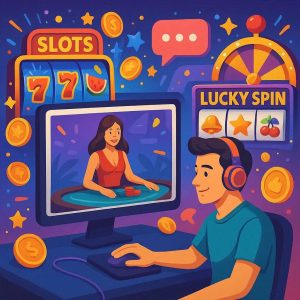 Online gambling has shifted from simple betting to full-scale digital entertainment. Casino non-UK platforms play a major role in this change. These casinos operate outside UK regulation and often focus on experience as much as wagering. Many players now see gambling as a form of online entertainment, similar to streaming or gaming.