The Rise of Interactive Casino Entertainment in Belgium’s Licensed Market
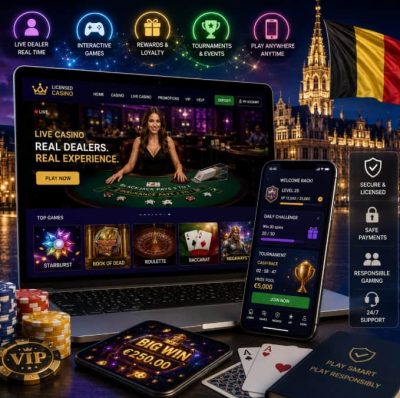 In Belgium, licensed online casinos have embraced this shift by introducing features that combine technology, convenience, and player engagement while operating within a regulated framework. The country’s licensed gambling market has become known for balancing innovation with consumer protection. As player expectations continue to grow, interactive casino entertainment has become an important part of how licensed operators in Belgium (casino en ligne fiable Belgique) attract and retain customers. From live dealer games to gamified promotions, the focus has expanded beyond traditional gambling to create a more engaging online experience.
Live Dealer Games Lead the Way
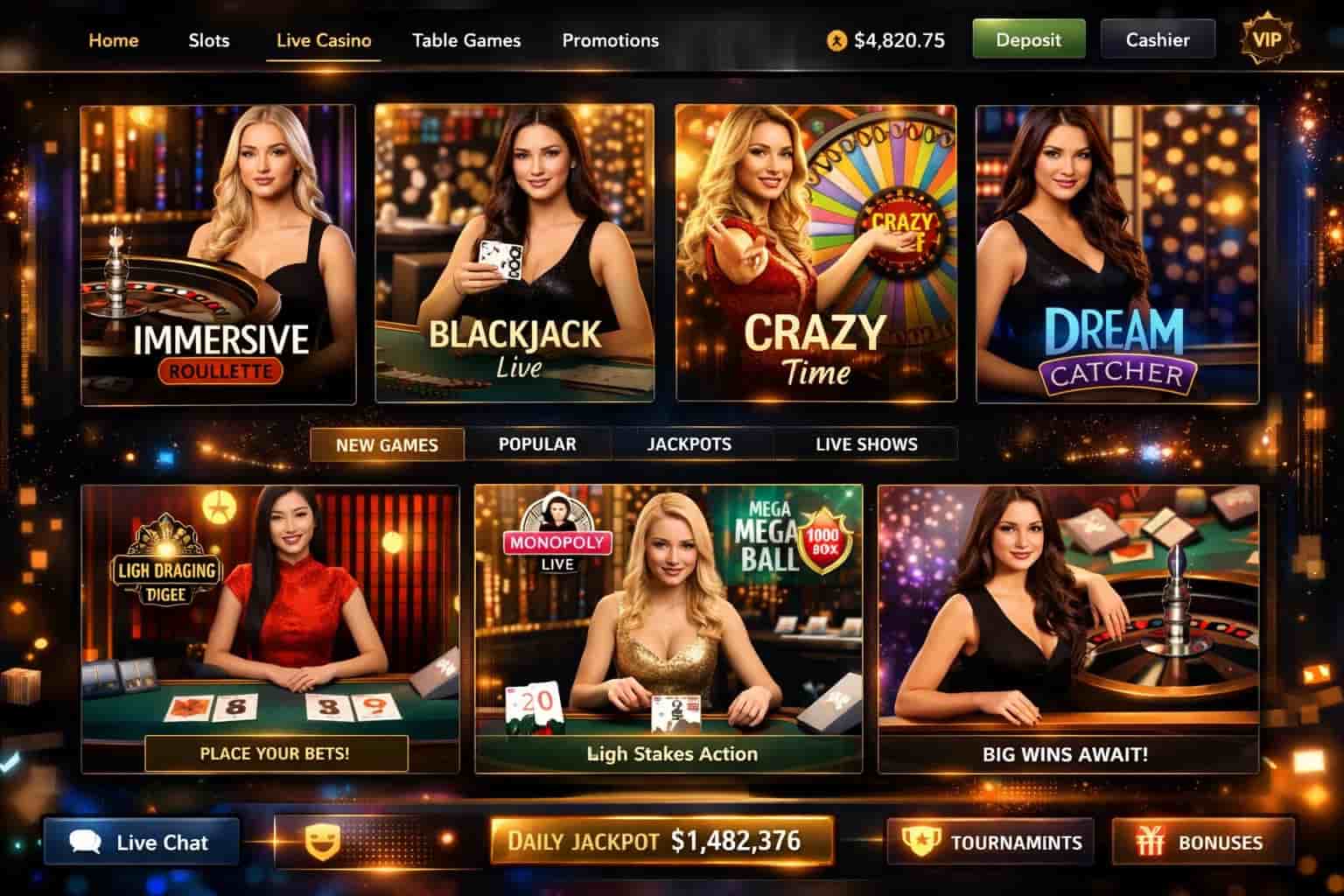
One of the biggest developments in Belgium’s licensed online casino market has been the popularity of live dealer games. Players can join blackjack, roulette, baccarat, and other table games while interacting with professional dealers in real time. The experience closely resembles visiting a physical casino, but with the convenience of playing from home or on a mobile device. For many players, this combination of authenticity and accessibility has become one of the main attractions of licensed online casinos.
Greater Player Engagement
Licensed casinos now include a variety of features that encourage participation throughout each gaming session.
Examples include:
- Achievement systems
- Daily challenges
- Loyalty rewards
- Tournaments
- Leaderboards
- Personalized promotions
These features create additional goals beyond individual game outcomes, making the overall experience feel more dynamic. Players often enjoy earning rewards for regular participation instead of relying solely on wins from casino games. Because these features are offered within regulated platforms, they are typically supported by clear promotional terms and responsible gambling measures.
Mobile Technology Has Changed Expectations
The growth of smartphones has transformed how people access online casinos. Today’s players expect smooth gameplay, quick loading times, and full functionality across mobile devices. Licensed operators in Belgium have invested heavily in mobile optimization. Many casinos now offer dedicated mobile applications or responsive websites that provide an experience nearly identical to desktop platforms. Players can switch between devices without interrupting gameplay, making it easier to enjoy casino entertainment at home or on the go.
Interactive Features Beyond Traditional Games
Modern online casinos no longer focus exclusively on classic slot machines and table games. Many licensed operators now offer interactive features designed to create a broader entertainment experience.
Some platforms include live game shows that blend gambling with television-style production. These games feature hosts, colorful studios, and interactive bonus rounds where players participate alongside others in real time.
Other casinos introduce seasonal events, limited-time missions, or themed competitions that encourage players to explore different games while earning rewards. These additions help distinguish today’s online casinos from the simpler gaming platforms of previous years.
Personalization Improves the Experience
Technology has also made casino entertainment more personalized. Licensed operators use account preferences and playing history to recommend games, promotions, and bonuses that match individual interests.
For example, a player who regularly plays roulette may receive invitations to roulette tournaments or exclusive table-game promotions rather than generic offers. This level of personalization creates a more relevant experience without requiring players to search through hundreds of available games. Responsible operators balance personalization with responsible gambling practices by ensuring that promotional activity remains consistent with regulatory requirements.
Responsible Gambling Remains Central
Although interactive entertainment continues to expand, Belgium’s licensed market maintains a strong focus on player protection. Interactive features are introduced alongside safeguards that encourage responsible gambling.
Licensed operators provide tools such as deposit limits, session reminders, spending controls, cooling-off periods, and self-exclusion options. These features help ensure that increased engagement does not come at the expense of player wellbeing. Regulation requires operators to balance entertainment with consumer protection, creating a healthier gambling environment than might exist in unregulated markets. This combination of innovation and responsibility is one of the defining characteristics of Belgium’s licensed casino industry.
Community Features Add a Social Element
Live chat during selected games, multiplayer tournaments, shared jackpots, and community competitions allow players to feel connected with others while remaining online. These features create a stronger sense of participation and help replicate some of the social atmosphere found in land-based casinos. While the experience remains digital, many players appreciate having opportunities to engage with both dealers and fellow participants.
Better Graphics and Faster Technology
Advances in technology have significantly improved the visual quality of online casino games. Modern titles feature detailed graphics, smooth animations, realistic sound effects, and creative themes inspired by popular entertainment, mythology, history, and adventure. Improved internet speeds and more powerful mobile devices also allow licensed casinos to deliver high-definition streaming with minimal delays. These technical improvements enhance player immersion and contribute to the overall entertainment value of regulated online casinos.
Innovation Within a Regulated Environment
One of Belgium’s greatest strengths is its ability to encourage innovation without sacrificing regulatory oversight. Licensed operators remain free to introduce new games, interactive features, and emerging technologies while continuing to meet legal requirements related to fairness, security, and responsible gambling. This balance benefits everyone involved. Players gain access to new forms of entertainment, operators remain competitive, and regulators maintain standards that protect consumers.
Conclusion
Interactive casino entertainment has transformed Belgium’s licensed online gambling market. Live dealer games, mobile accessibility, gamified rewards, personalized experiences, and social features have expanded online casinos beyond traditional gambling platforms into comprehensive entertainment destinations.
What makes Belgium’s market particularly notable is that these innovations exist within a carefully regulated framework. Licensed operators continue to introduce new technologies while maintaining strong standards for player protection, fair gaming, and responsible gambling.
As player expectations continue to evolve, interactive entertainment is likely to remain a major driver of growth. Belgium’s licensed casino market demonstrates that innovation and regulation can work together to create an engaging, secure, and sustainable online gaming experience.

 In contrast to TV shows, the outcomes of the matches are unpredictable. The events develop so quickly that fans never know what will happen next.
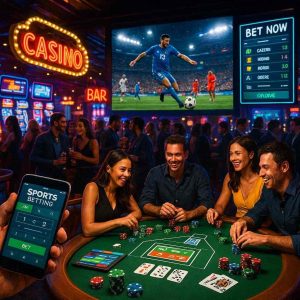 Gambling has changed dramatically over the years. What was once seen mainly as a high-stakes activity in casinos or racetracks has now become a mainstream form of entertainment. Today, betting is deeply connected to sports, digital platforms, tourism, pop culture, and social experiences. From mobile sports betting apps to luxury casino resorts and televised poker tournaments, gambling has evolved into a major part of modern leisure, learn more here.

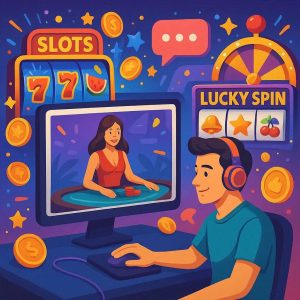 Online gambling has shifted from simple betting to full-scale digital entertainment. Casino non-UK platforms play a major role in this change. These casinos operate outside UK regulation and often focus on experience as much as wagering. Many players now see gambling as a form of online entertainment, similar to streaming or gaming.